All decks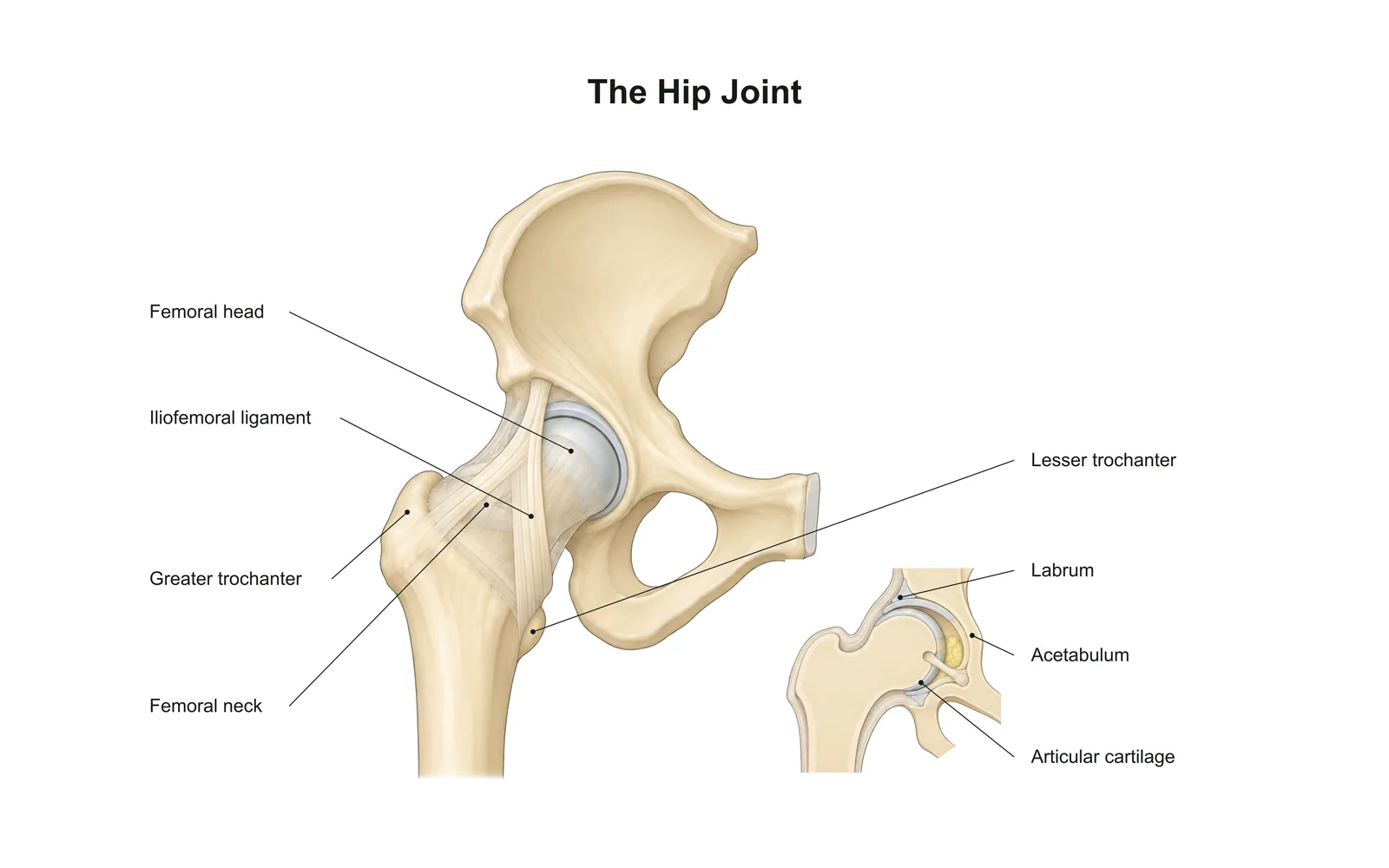
The Hip Joint 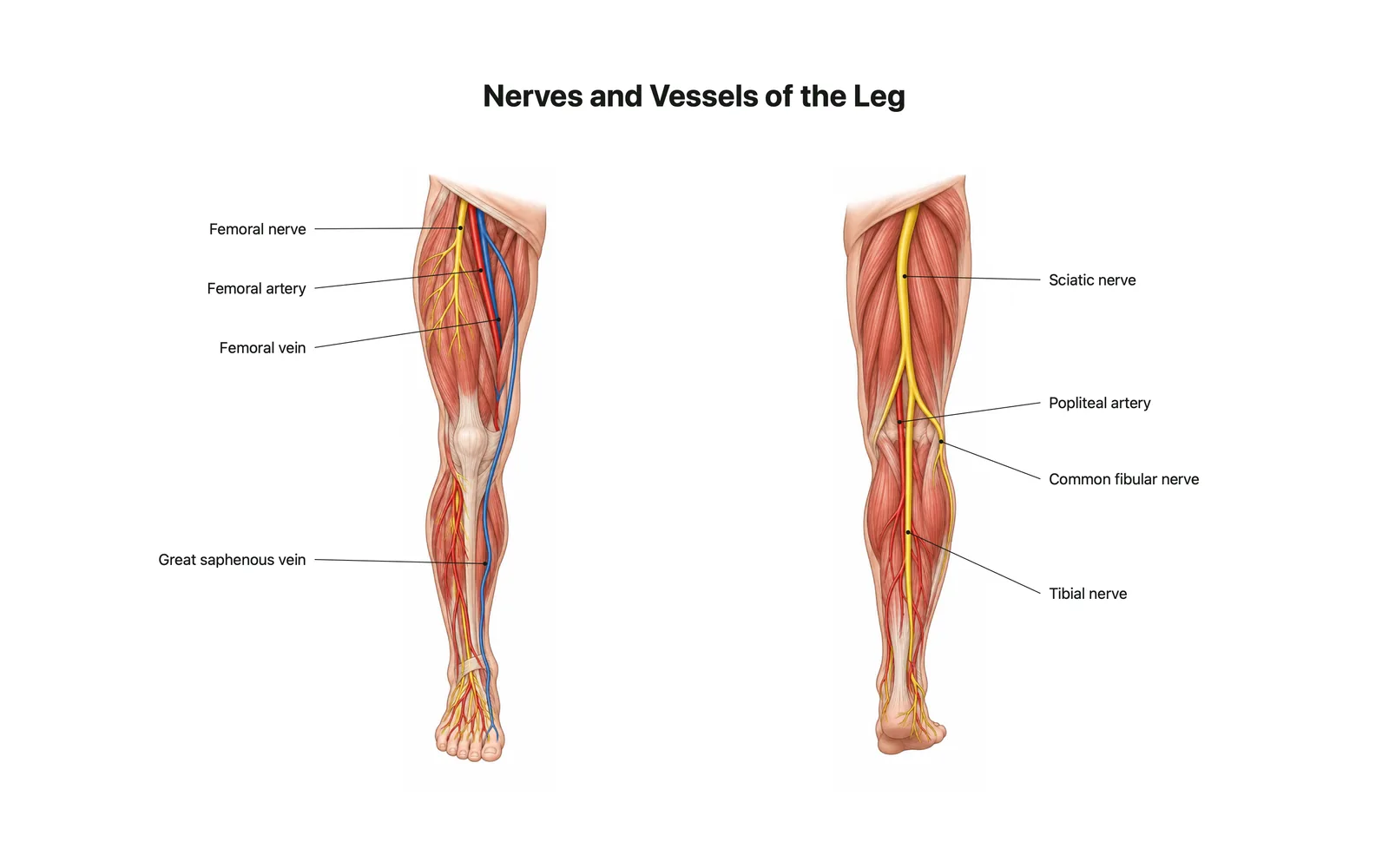
Nerves and Vessels of the Leg 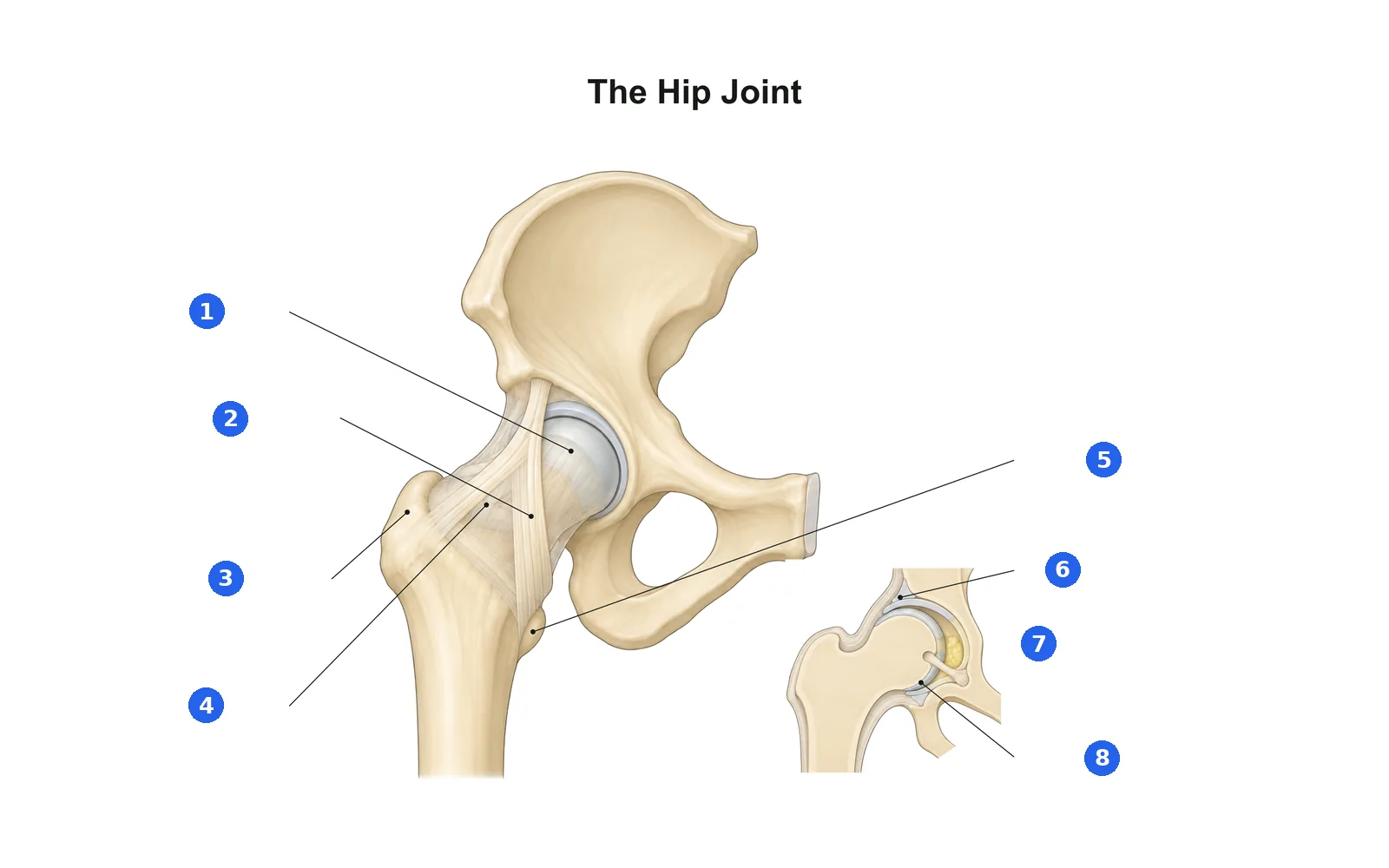
Leg and hip: care and discussions
Body regions
Leg (Lower Limb)
Body region · Femoral and crural · 7 cards
Study notes
- The lower limb runs from the hip to the toes: hip, thigh, knee, leg, ankle and foot.
- In anatomy, 'leg' (crus) means only the part between the knee and the ankle; above the knee is the thigh.
- The lower limbs carry the body's full weight, so their bones and muscles are the largest in the body.
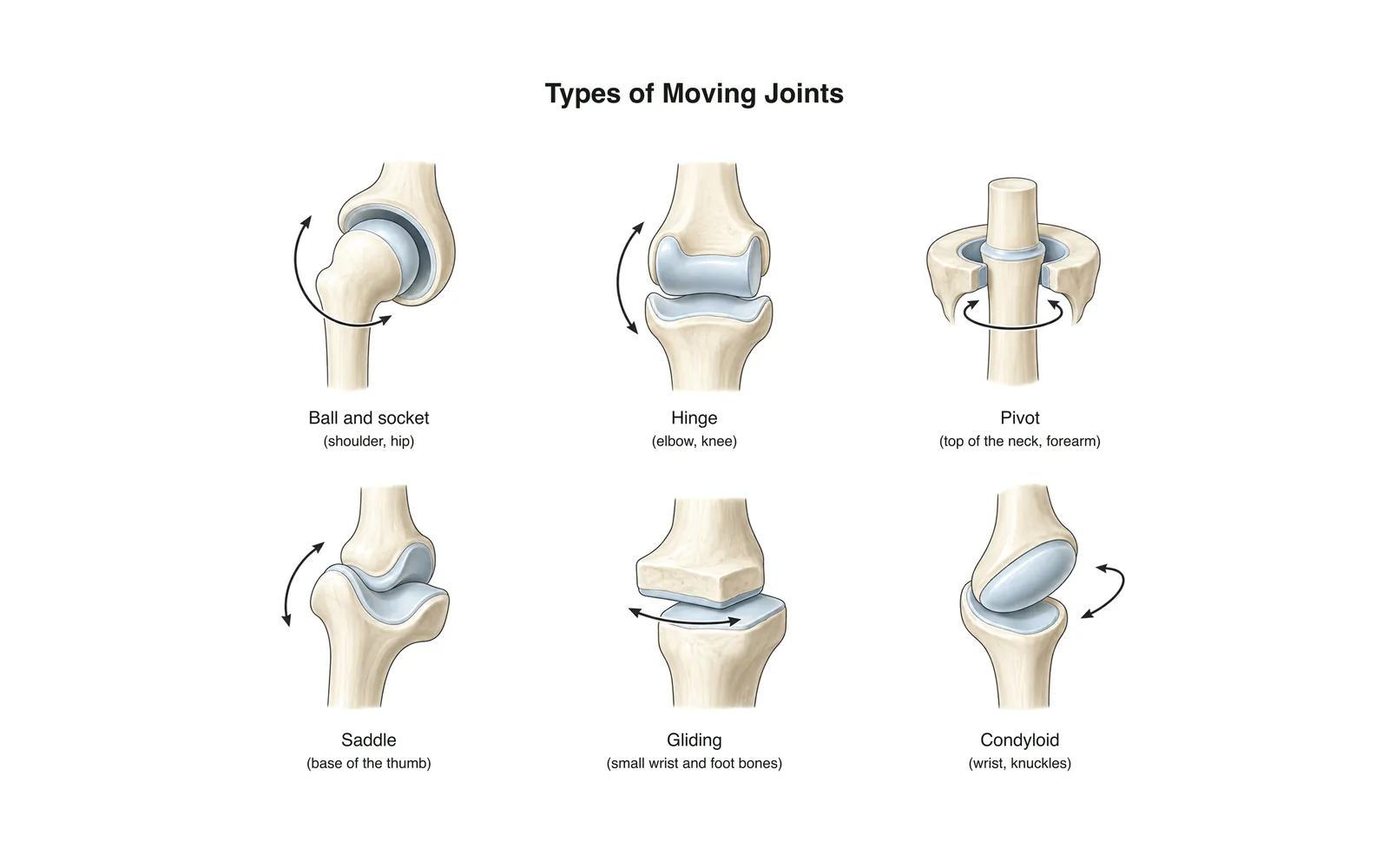
- The hip is a ball-and-socket joint, more stable but less mobile than the shoulder.
Flashcards
Card 1 of 7Tap the card to flip
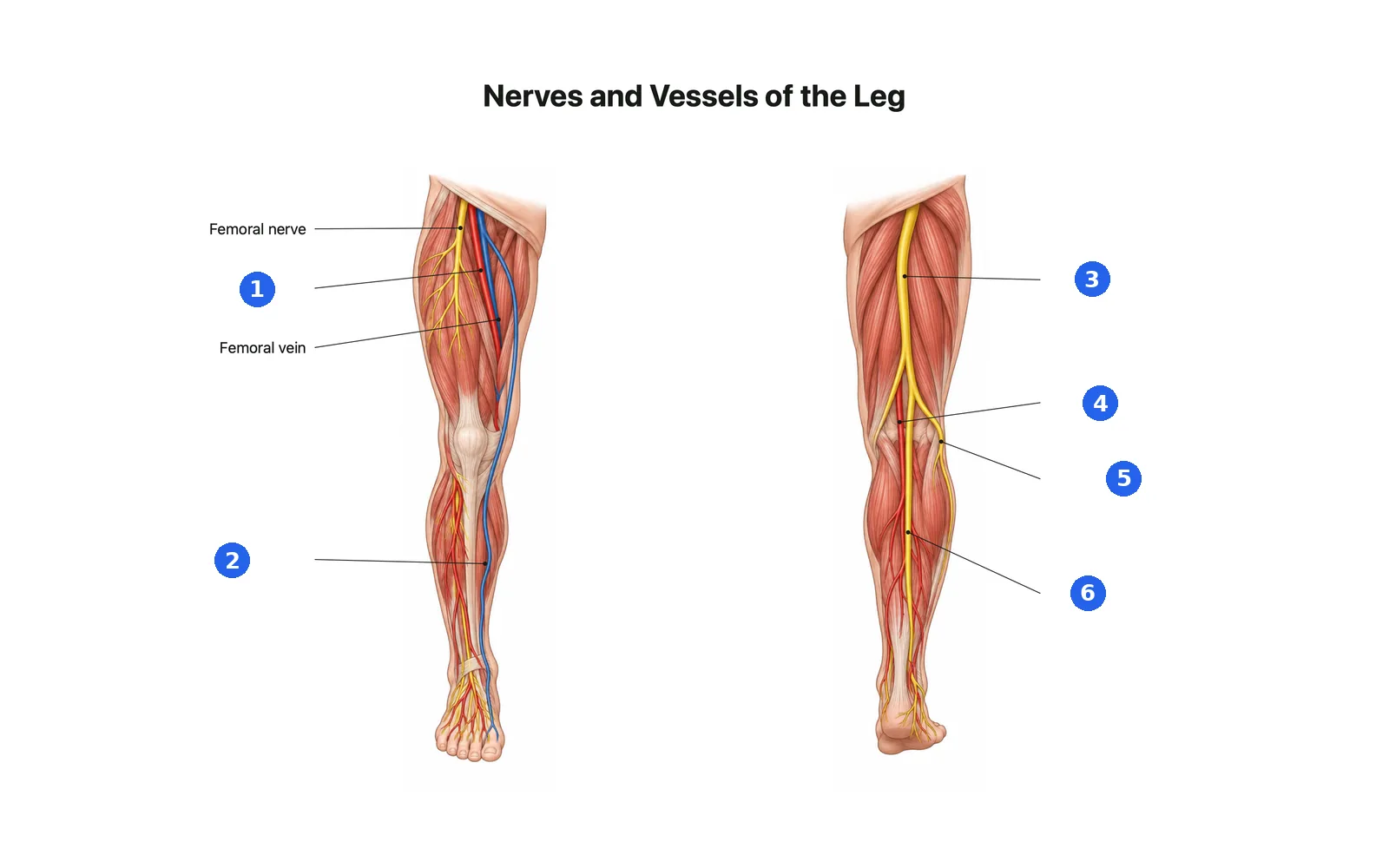
Label the diagram
Name each numbered part. Switch to the labels to study first.
Label 1 of 8Pick an answer
What is number 1?
Label 1 of 6Pick an answer
What is number 1?
Terms in this deck (7)
- Femoral
- Referring to the thigh.
- Crural
- Referring to the leg (the segment between the knee and the ankle).
- Inguinal region
- The groin, where the thigh meets the trunk.
- Gluteal region
- The buttocks.
- Sural region
- The calf, at the back of the leg.
- Tarsal region
- The ankle.
- Why is the hip more stable than the shoulder?
- Its socket (acetabulum) is deep and wraps around the femur's head, while the shoulder's socket is shallow.
2D Learning
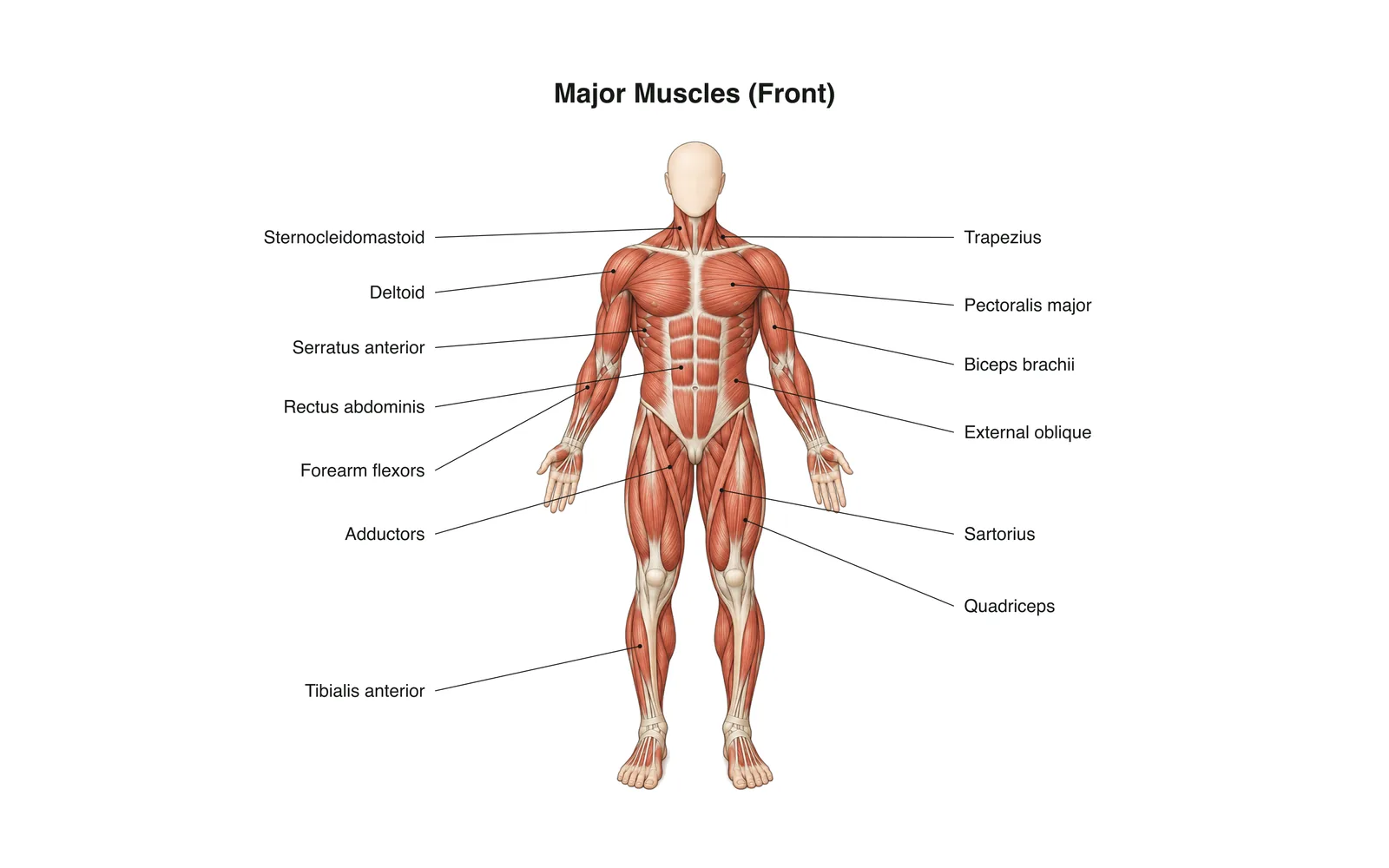
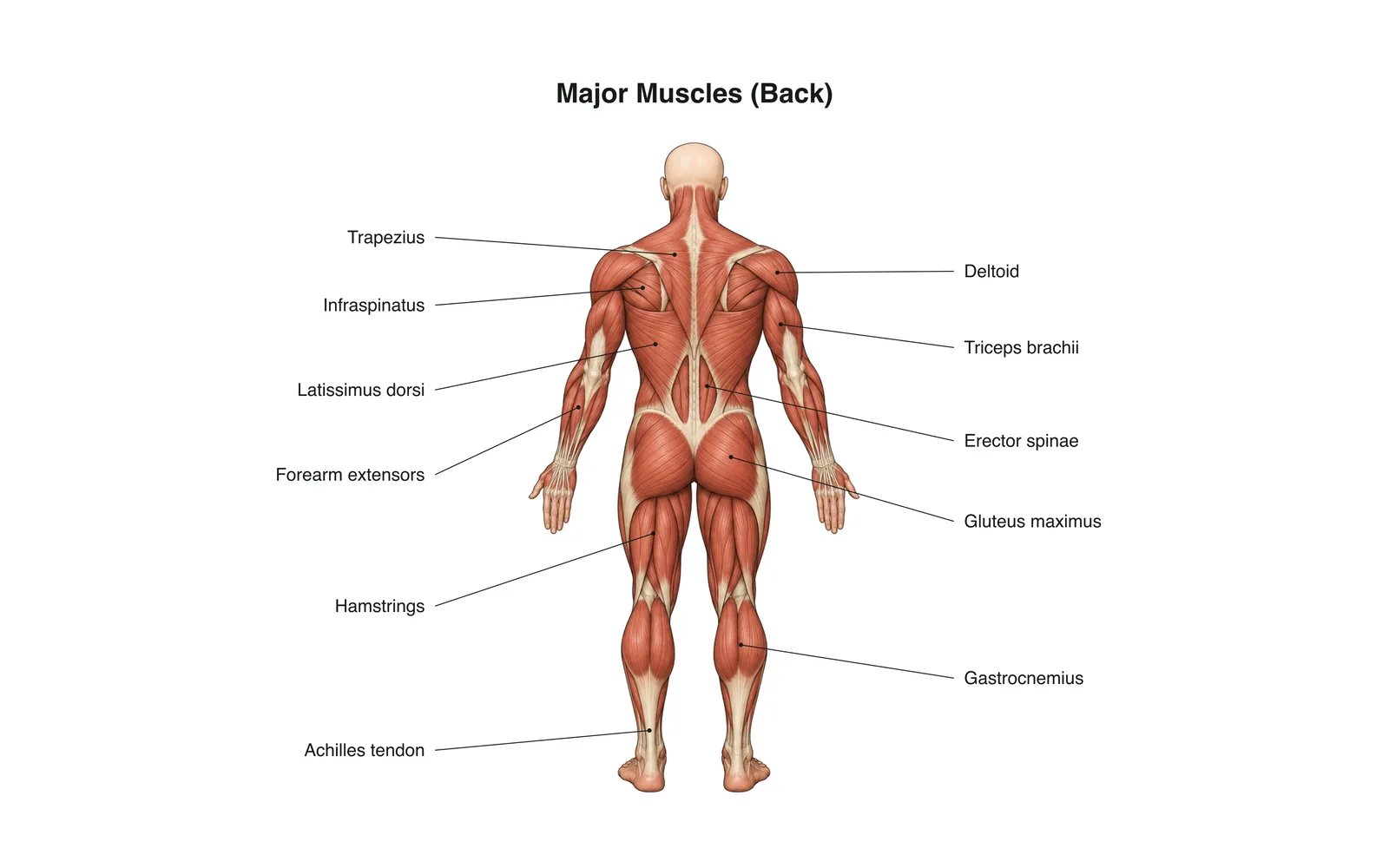
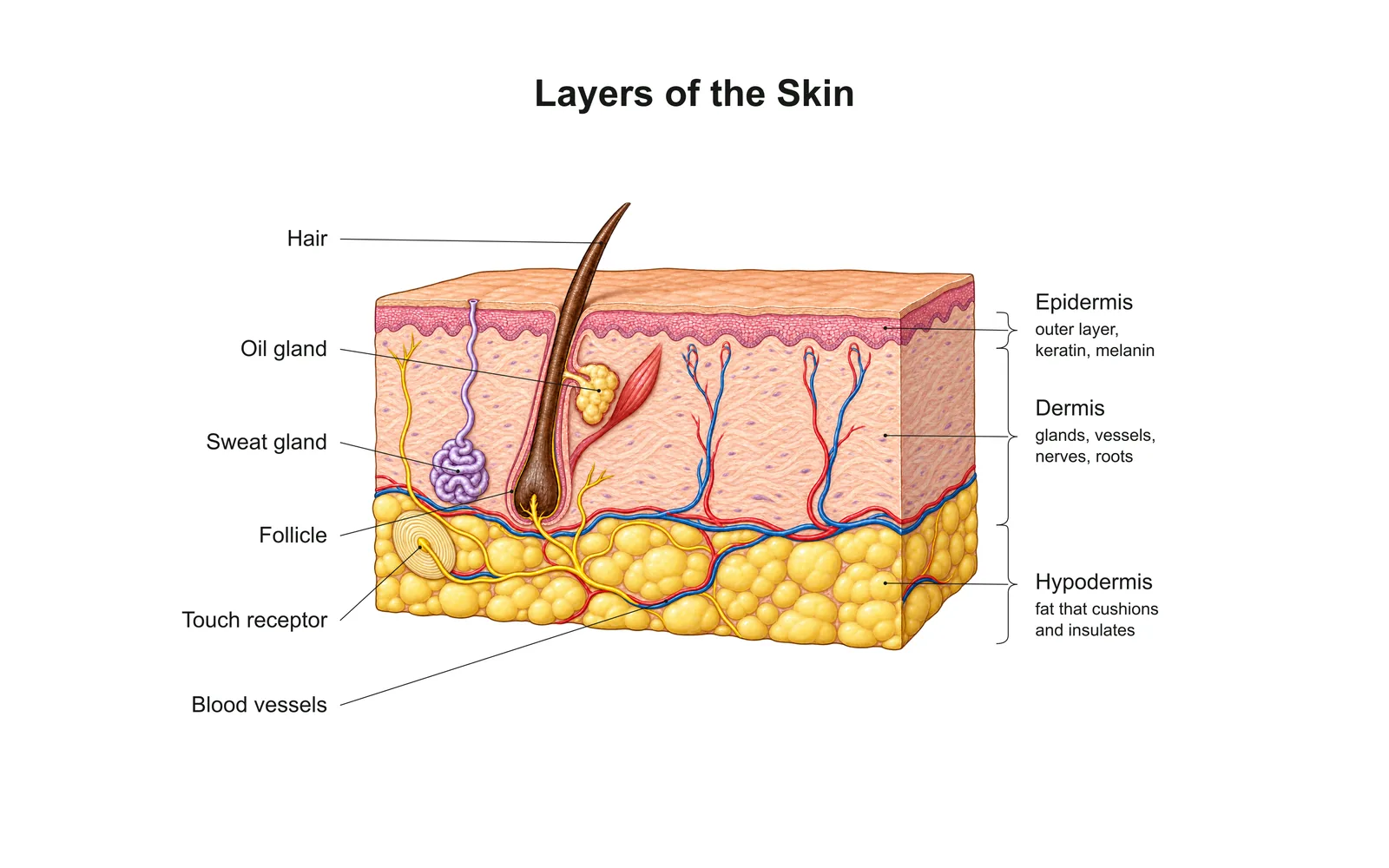
Diagrams and body maps for this part.
Educational content for learning anatomy, not medical advice. Tap this part on the 3D model with School selected to see it in place.